
Bring Your Garden to Life: 15 Beautiful Flowers Pollinators Love in the Midwest
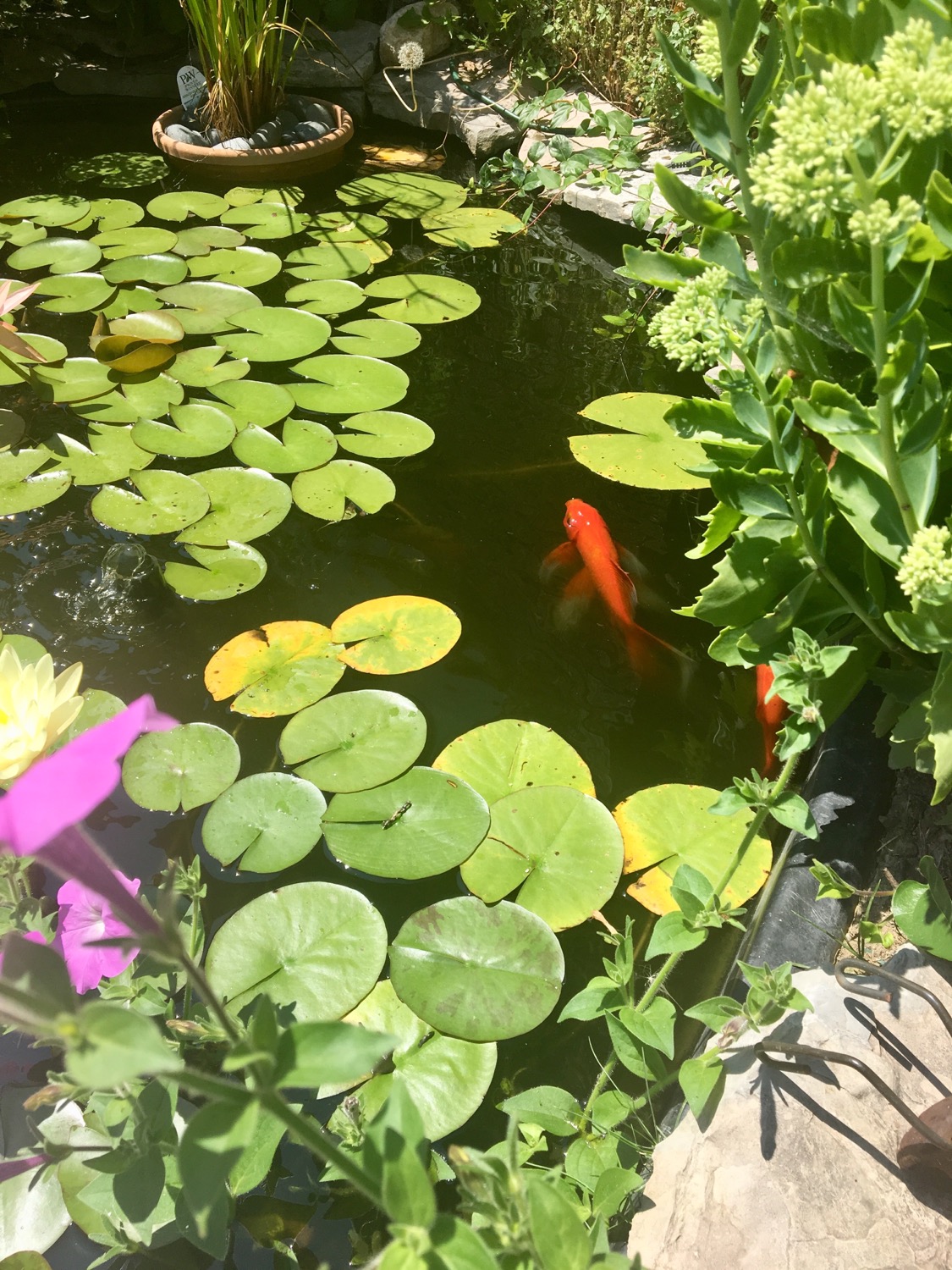
One of my favorite things about summer in the Midwest isn’t just the flowers—it’s watching the life they bring. Bees lazily drift from bloom to bloom, monarch butterflies dance through the sunshine, hummingbirds zip by, and even the occasional goldfinch stops in for a visit.
The best part? You don’t need acres of land to create a pollinator paradise. Whether you have a sprawling country garden or a few flower beds around your porch, planting the right flowers can make all the difference.
Here are some of my favorite pollinator-friendly flowers that thrive throughout much of the Midwest.
🌸 Purple Coneflower (Echinacea)
If I could only plant one flower for pollinators, this might be it.
Coneflowers bloom from early summer into fall, tolerate heat and drought, and provide nectar for bees and butterflies all season long.
Once the blooms fade, their seed heads become a favorite food source for goldfinches.
Bloom Time: June–September
Sun: Full sun
Bonus: Native to the Midwest.
🦋 Black-Eyed Susan
These cheerful golden blooms practically glow in the summer sunshine.
Butterflies love them, bees visit constantly, and birds feast on the seeds long after the flowers are gone.
They’re also one of the easiest flowers to grow.
Bloom Time: July–October
💜 Bee Balm (Monarda)
As the name suggests…
Bees absolutely love Bee Balm.
You’ll also attract hummingbirds and butterflies with its vibrant red, pink, purple, or white blooms.
It spreads quickly, making it perfect for filling garden spaces naturally.
🐝 Lavender
Not only does lavender smell incredible, but bees can’t seem to stay away.
Once established, it’s drought tolerant and provides beautiful fragrance around patios and walkways.
Plus, you can harvest it to dry for sachets or homemade bath products.
🌼 Blanket Flower (Gaillardia)
Blanket Flowers bloom almost nonstop from early summer until frost.
They’re colorful, carefree, and one of the toughest flowers you can grow.
Pollinators love their nectar.
🩷 Zinnias
Want butterflies?
Plant zinnias.
These easy annuals bloom in nearly every color imaginable and keep flowering until the first hard frost.
The more you cut them, the more flowers they produce.
🦋 Milkweed
If you want monarch butterflies, milkweed isn’t optional—it’s essential.
Monarch caterpillars can only survive on milkweed leaves.
By planting even a few, you’re helping one of North America’s most beloved butterflies continue its incredible migration.
💙 Salvia
These spikes of blue, purple, pink, or red flowers bloom for months.
Hummingbirds especially love them, and bees visit them throughout the day.
🌻 Sunflowers
Few flowers bring as much joy to a garden as towering sunflowers.
Bees gather nectar all summer, while birds enjoy the seeds in late summer and fall.
Kids love watching them grow too.
🌺 Cosmos
Cosmos almost seem to float above the garden.
They’re easy to grow from seed and bloom continuously until frost.
Butterflies visit them constantly.
🌸 Asters
Most flowers begin fading in autumn…
Asters are just getting started.
Their late-season blooms provide one of the last important nectar sources before winter.
🌿 Joe-Pye Weed
Despite the name, it’s one of the prettiest native flowers you can grow.
Its tall mauve blooms attract butterflies by the dozens.
If you have room in the back of a flower bed, it’s spectacular.
💛 Coreopsis
Bright yellow blooms seem to flower forever.
These cheerful natives tolerate heat, poor soil, and drought while feeding countless pollinators.
🤍 Yarrow
Flat flower clusters make landing easy for butterflies and beneficial insects.
It’s incredibly hardy and looks beautiful in cottage-style gardens.
❤️ Cardinal Flower
If you’ve ever wanted hummingbirds to visit your yard regularly…
Plant Cardinal Flower.
Its brilliant scarlet blooms are almost irresistible to them.
A Few Tips for Creating a Pollinator Paradise
Pollinators need more than flowers. Here are a few simple ways to make your garden even more welcoming:
🌼 Plant flowers that bloom from spring through fall so nectar is available all season.
🐝 Plant in groups rather than scattering single plants throughout the garden. Pollinators can find larger patches more easily.
🚫 Avoid pesticides whenever possible, especially while plants are blooming.
💧 Add a shallow birdbath or dish with pebbles so bees and butterflies have a safe place to drink.
🍂 Leave some seed heads standing through fall and winter. Birds love them, and many beneficial insects overwinter in stems and leaf litter.
My Favorite Part
One of the greatest rewards of gardening isn’t simply growing beautiful flowers—it’s becoming part of something much bigger.
Each blossom becomes a tiny feeding station.
Each butterfly that visits has likely traveled miles.
Each bee is helping produce the fruits, vegetables, and wildflowers we all enjoy.
The garden becomes more than a collection of plants.
It becomes a living, breathing ecosystem.
And if you sit quietly long enough, you’ll realize the garden was never silent at all—you simply hadn’t noticed the beautiful symphony humming around you.


I have no problems at all.